
Check list for long hiking trips with tent
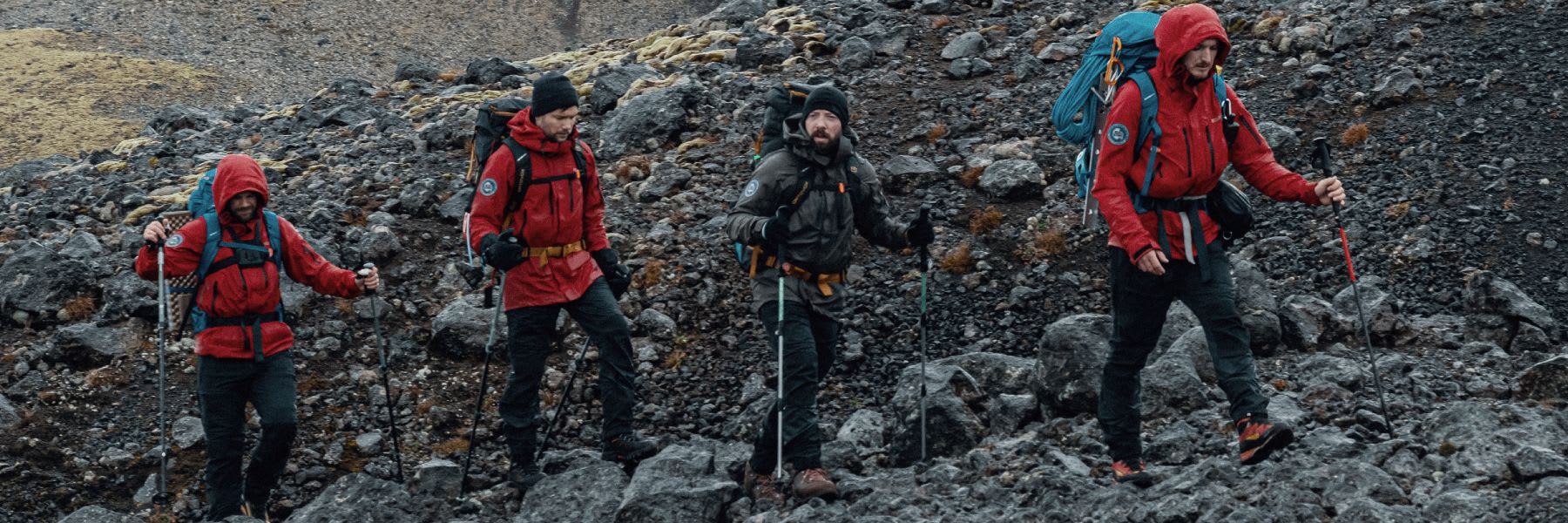
This checklist is a practical guide for multi-day treks with tent, covering the season from early spring to late autumn when there's a chance of snow. Ideal for adventures in northern mountain ranges, coastal trails, forest landscapes, and high-altitude destinations around the world.
You must assess for yourself what and how much you need, depending on the length, destination, temperature, and weather conditions of the trip. Weather can change quickly, so pack for spring/autumn conditions even if it's summer. Updated 23.06.2025
1. Clothing
Backpack and packing bags, etc.
- Backpack: Spacious daypack (40–50 L) or large backpack (50–80 L)
- Wind sack/mountain cloth that protects against wind and rain. Also keeps injured people warm and can function as a stretcher.
- Waterproof packing bags. You may also use a large plastic garbage bag inside the backpack.
Upper Body Clothing
- 1 wool bra (for cold days) and/or synthetic sports bra (for warm days), also suitable for swimming.
- 1 short-sleeved shirt (women – men)
- 1 mesh shirt for wet, chilly days (women – men)
- 1 wool shirt with high collar, worn over the mesh shirt when it's cold.
- 1 polar jacket – use as a mid-layer or outer layer in dry weather.
- 1 thin down jacket or synthetic insulated jacket (synthetic is better than down in damp conditions)
- 1 shell jacket: Windproof, breathable, water-resistant (women – men)
Lower Body
- 2 pairs of underwear, lightweight synthetic that dries quickly (not cotton). Also suitable for swimming
- 1 wool boxer (women – men)
- 1 shorts
- 1 3/4 mesh longs for wet, chilly days, e.g., under rain pants
- 1 wool longs (women – men)
- 1 hiking pants (women – men)
- 1 thin rain pants
- 1 thick wool socks
- 2 thin wool socks. Tip: Nylon women's tights worn underneath help prevent blisters
- 1 hiking boots / trekking shoes
- 1 Crocs (lightweight, quick-drying, good for river crossings and cabin use)
- 1 gaiters if there's a lot of snow in the mountains. Many of Brynje’s pants have a built-in gaiter hook
Head & hands
- 1 hat/beanie
- 1 headband
- 1 neck
- 1 wool mitten with mesh lining
-
1 shell mittens for cold/windy days
2. Camp Equipment / Sleeping Gear
- Tent. Check out Barents from Trondheim.
- Sleeping bag with compression sack.
- Earplugs
- Sleep mask – better sleep during day, before summit attempts or in midnight sun.
- Pillow: Stuff your insulation jacket into a wool shirt and tie it closed.
- 2 sleeping pads – foam and inflatable.
- Thin cord for drying clothes, 4–6 meters.
3. Toiletries
- Toothbrush and toothpaste
- Glasses, contact lenses, lens solution, containers
- Sunglasses, sunscreen with high SPF in small tubes
- Lip balm for chapped lips, e.g., Norvis
- Toilet paper, sanitary pads, tampons (burn after use – follow "Leave No Trace" principles)
- Insect repellent
- Towel (kitchen towel works fine)
- Shampoo (suitable for full body use) + conditioner
- Hairbrush
4. First Aid
- Sports tape
- Compeed blister plasters (large/medium)
- Hand sanitizer
- Sterile gauze
- Wound dressing compress
- First aid bandage (to stop bleeding)
- Regular band-aids
- Bacimycin ointment
- Support bandage
- Paracetamol
- Personal medications
- Malaria tablets, altitude medicine, vaccinations (for trips abroad)
- Tweezers
- Nail scissors
5. Navigation, Safety, Tools
- Map, map case, and compass
- Pen & paper - useful when you are out of coverage and out of power
- GPS + batteries
- Emergency beacon / inReach tracker – saves lives and makes the job easier for rescue teams
- Mobile phone and charging cable.
- Headlamp + spare batteries
- Solar panel for charging on your backpack while hiking (long trips)
- Duct tape
- Extra shoelace: Use a piece of clothesline. Broken laces can be retied and threaded again. Check that your laces are in top shape before a long trip.
- Multi-tool / Leatherman
- Saw (foldable) for use below the tree line.
- Camera – w/ memory card space.
- Trekking poles with 1–2 segments. Good for sore knees. Can also be used as a tent pole when sleeping under a bivy bag/emergency shelter.
- Matches, lighter, fire starters
- DNT key
- Money, credit card, travel documents, vaccination card. Copies both on paper and digitally.
6. Kitchen, Food, Drink
Food and Drink
- Drinks: Energy drink, tea, coffee.
- Breakfast: Oatmeal, muesli mix with raisins, cinnamon, sugar, etc.
- Lunch: Bread/logan bread, crispbread, cheese spread in tubes, etc.
- Snacks: Nuts, raisins, dried fruit, chocolate, energy bars, dried meat, throat lozenges, candy, etc.
- Dinner: Real Turmat stew (freeze-dried expedition meal)
- More tips about food (in norwegian)
Kitchen Equipment
- Eating spoon
- Knife: long and sturdy for splitting wood, cutting etc.
- Cup
- Thermos 0.5–0.7 L that works well (consider the need, it's heavy)
- Nalgene water bottle: Also works as a hot water bottle in your sleeping bag. Wrap it in your insulation jacket and it works almost as a thermos.
- Jet Boil with gas. Alternatively: Coffee kettle + burner + fuel bottle
- Mini cutting board
- Plastic container with lid – useful for making porridge etc. Avoid packaging that easily spreads in nature. Sturdy zip-lock bags can be washed and reused.
- Dish soap: Sunlight is biodegradable and can also be used for body washing! Use heather, sand, juniper, etc. to scrub pots and pans.
- Trash bag
7. Other
- Fishing gear
- Hunting gear
- Climbing gear
Weight, Reuse & Quality
- Choose gear that is lightweight and compact. Less strain improves your hiking experience and reduces the risk of injury.
- Used outdoor gear often works excellently.
- Choose clothing and equipment with high quality and durability. The longer you use your gear, the better it is for both your wallet and the environment.
Leave No Trace
- Avoid unnecessary packaging, use refill containers.
- Take home your own and others’ trash.
- Food waste should only be discarded on long trips—and always in an invisible location.
- Burn leftovers in the campfire.
- Use old fire pits. Do not damage vegetation, rocks, or terrain.
- Use inexpensive, biodegradable toilet paper. Burn or bury human waste.
- Check your campsite thoroughly before moving on.
About the packing list
The packing list has been made in collaboration with Brynje's ambassadors, leading guides, and experienced outdoor enthusiasts. We hope the list will inspire many to get out there and enjoy (and protect) nature. If you have suggestions that could improve the packing list, we’d love to hear from you.